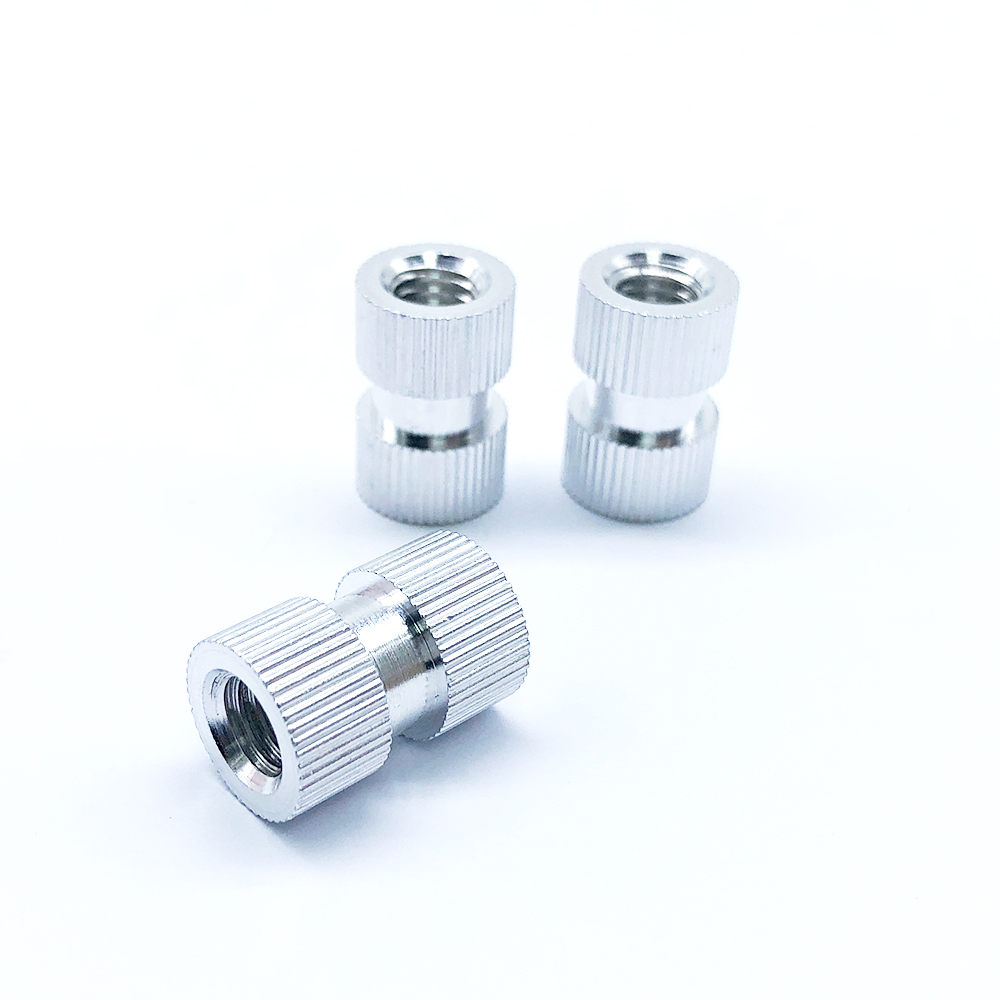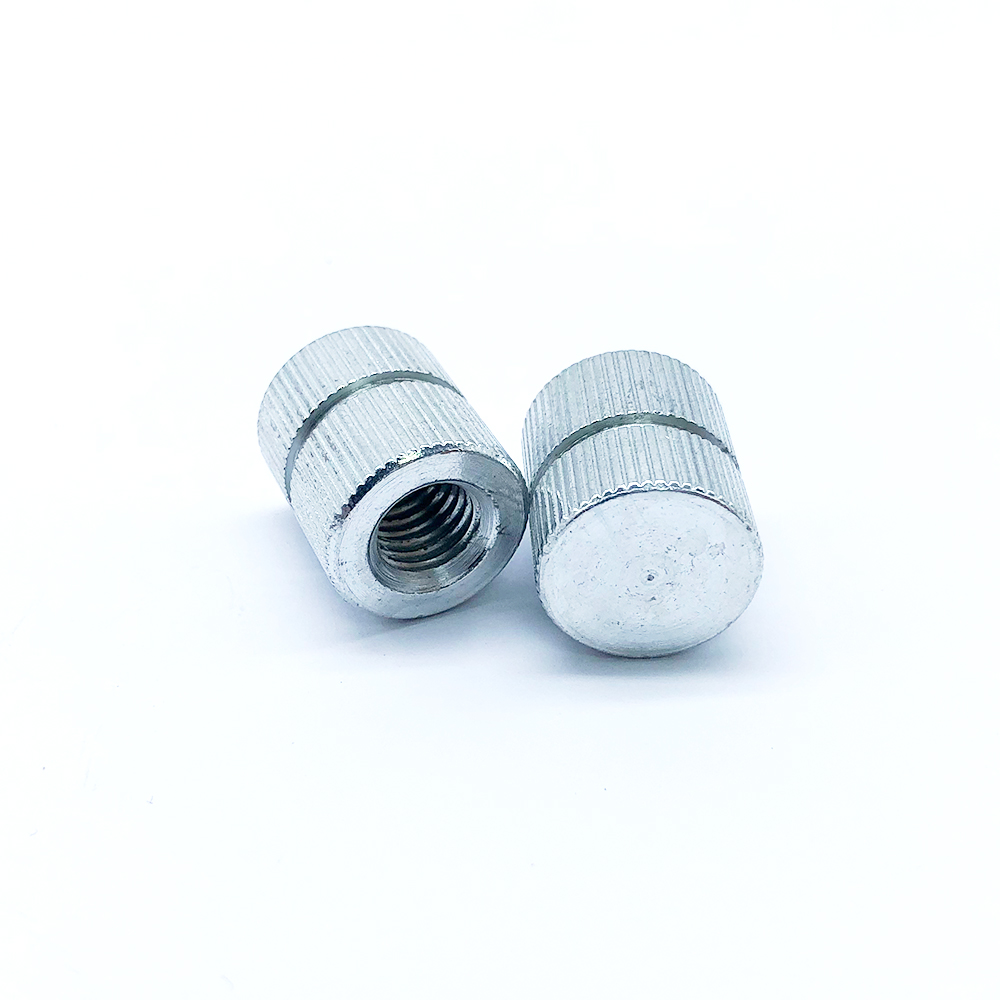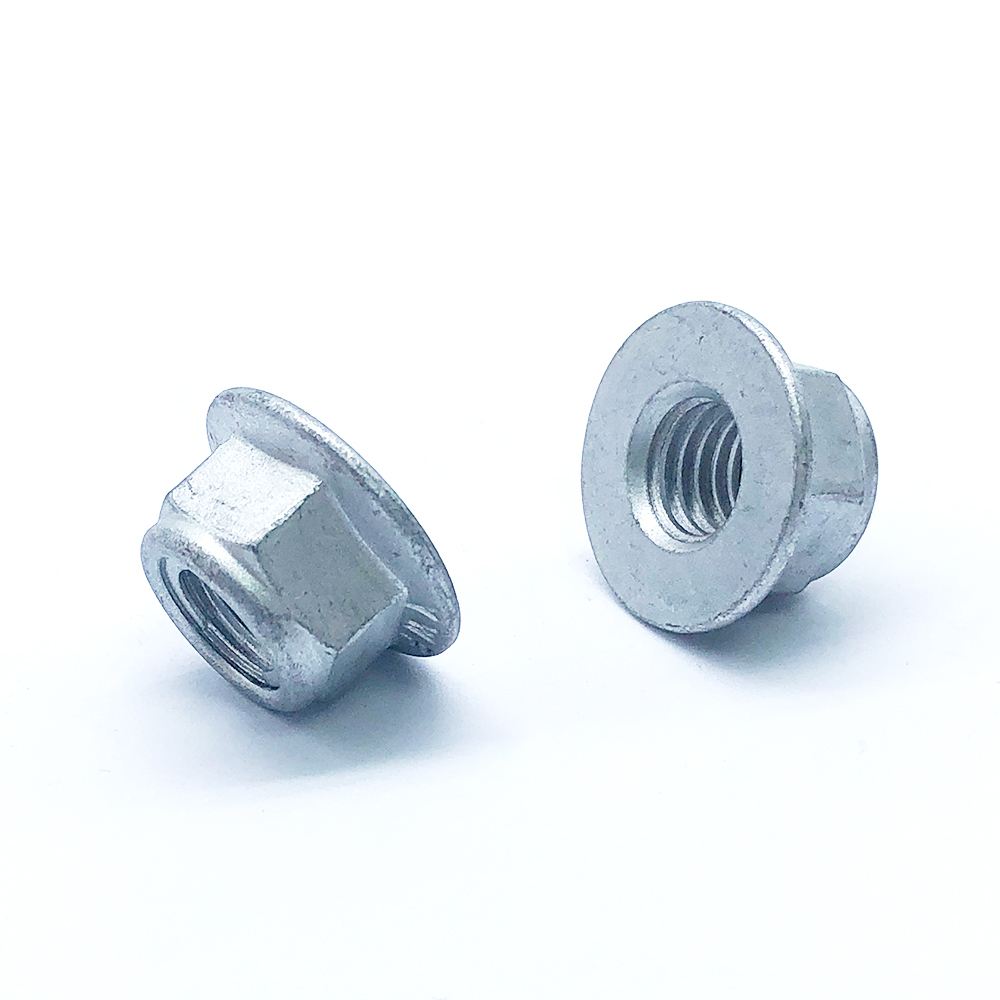
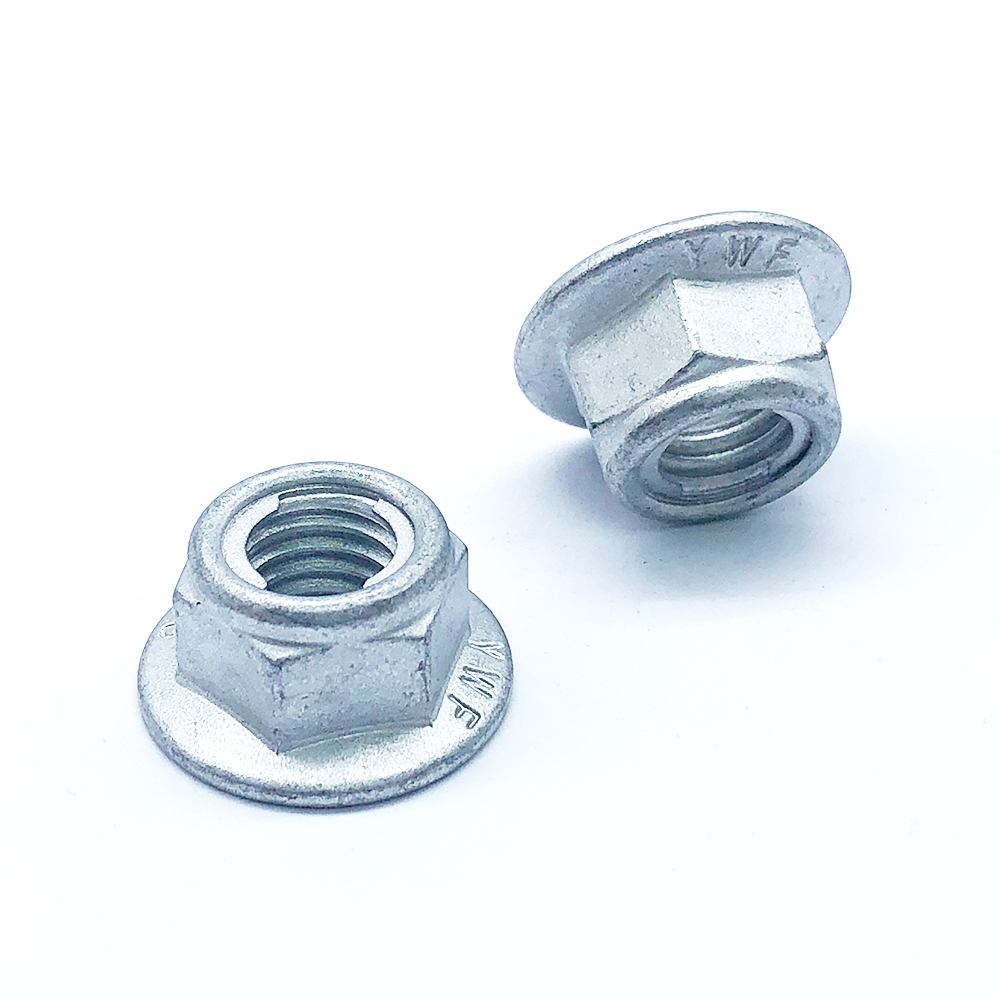
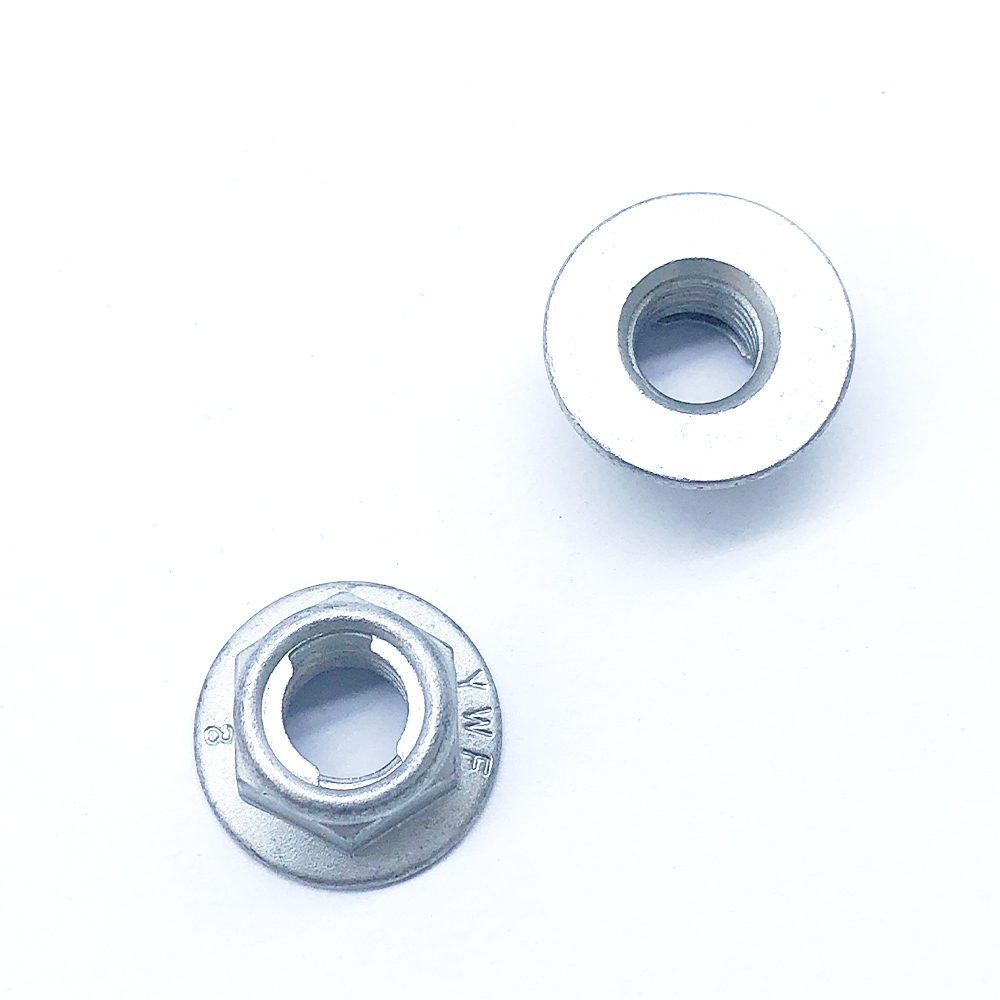
A self-locking nut is a type of nut designed to resist loosening under vibrations or torque. This added resistance to loosening is achieved through various mechanisms, such as deformed threads, inserts, or additional locking elements that increase friction between the nut and bolt threads. Self-locking nuts are widely used in applications where reliability and vibration resistance are crucial.
Anti-Vibration: The self-locking mechanism resists loosening caused by vibration, making it suitable for dynamic applications.
Reusable: Some self-locking nuts can be reused, though the degree of reusability may depend on the locking mechanism. Certain types have a limited number of uses before their locking ability diminishes.
Variety of Locking Mechanisms: There are several types of self-locking nuts, each with a unique design to prevent loosening.
Common Uses:
Automotive: Used in engines, suspension systems, and other areas subject to vibration.
Aerospace: Provides secure fastening for aircraft components where safety is critical.
Machinery: Used in industrial equipment that undergoes regular vibration or torque.
Electronics: Helps to secure components that may vibrate, ensuring a long-lasting connection.
Advantages:
Resistance to Vibration: Self-locking nuts prevent loosening in high-vibration environments, ensuring reliability.
Secure Connection: Provides a strong hold without requiring adhesives or washers.
Versatile Applications: Suitable for a range of applications and environments, from high temperatures to vibration-heavy settings.